What Happens When the Power Goes Out? And Why Infrastructure Matters
Have you ever stopped to think about what happens when the power goes out?
Energy powers everything we do. It lights our homes. Keeps us warm. Moves goods and people around the world. It drives economies and shapes our quality of life. Yet far too many people still lack reliable access to modern energy.
That’s why tomorrow, the 14th of February marks World Energy Day, a day dedicated to recognising the role energy plays in our lives and the responsibility we all share in how it’s produced and used.
So why do we mark this day?
To recognise energy’s role in our lives. Without it, modern life simply stops.
To raise awareness about sustainability. How can we use energy more responsibly? How do we reduce waste and support cleaner alternatives?
To highlight the need for fair access. Millions around the world still live without basic electricity.
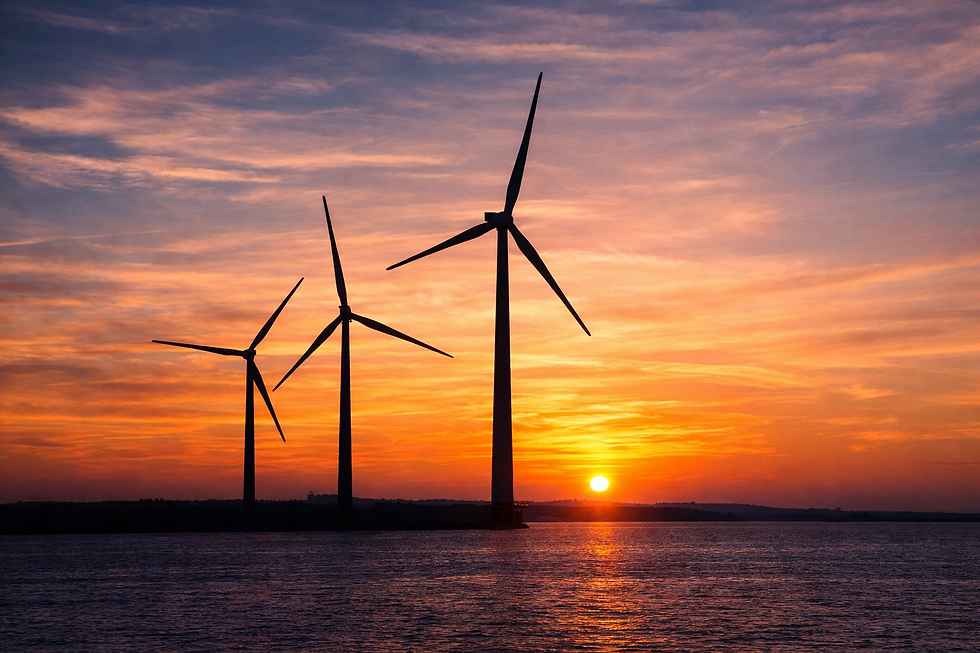
To push for change. The climate crisis demands smarter systems and greater investment in renewables like wind and solar.
Established in 1949, World Energy Day is a reminder that energy isn’t just about power. It’s about people. Progress. Opportunity.
Because how we produce and consume energy today shapes the world we live in tomorrow.
But change doesn’t happen in theory. It happens in delivery. In engineering. In infrastructure built to last.
And much of that work goes unseen.
Energy depends not only on power stations and wind farms, but on the critical infrastructure behind them.
Take our Aust Jetty case study...

Working with National Grid, KITE Projects delivered a critical handrail solution to support one of the UK’s major electricity transmission routes across the River Severn. Tough environment. Tidal conditions. Constant exposure to the elements. It had to be built to last.
Because when infrastructure fails, supply is at risk.
The new jetty provides safe, reliable access for maintenance teams - helping protect a key part of the network that keeps homes and businesses powered.
It’s not always the most visible work. But it’s essential.
And that’s what supporting the energy sector really looks like.


